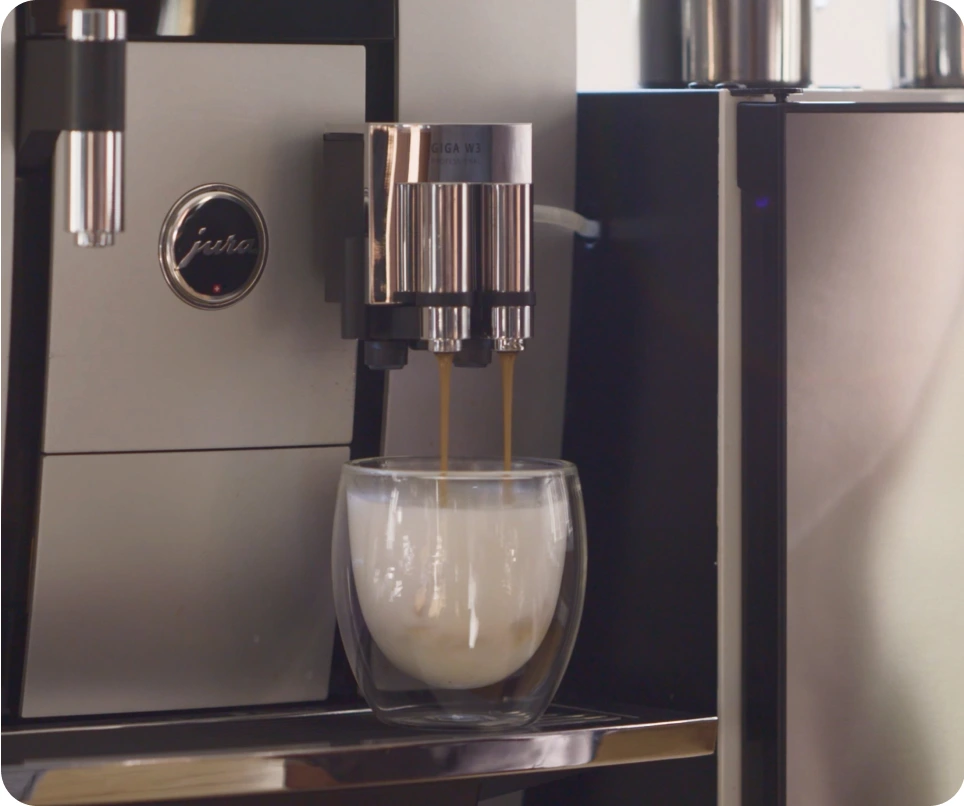
Figuring out coffee machine rental cost for an office sounds simple until the quote lands in your inbox and suddenly there are service plans, milk systems, delivery fees, and supply minimums tucked into the fine print. The good news is that office coffee pricing is not mysterious once you know what actually moves the number, and that is exactly what this guide clears up.
What “coffee machine rental cost” really means for an office
Most offices do not pay just for a machine sitting on a counter. You pay for a setup, and that setup can include the machine itself, installation, servicing, repairs, cleaning support, coffee supplies, and sometimes extra drinks or break-room add-ons.
Here’s the thing: a cheap monthly rental price can be misleading if half the real costs sit outside the main line item. a monthly office coffee rate that depends on machine type and volume machine rental might look great until beans, milk, cleaning tablets, call-outs, and delivery push the actual monthly spend closer a monthly rate that depends on scope and local market conditions. On the flip side, a higher quote can be a better deal if it wraps everything into one predictable bill.
That matters because office budgets rarely fail on headline price. They fail on small repeat charges that no one noticed during quote comparison. Coffee machine rental cost is really your total monthly coffee program cost, not just equipment hire.
In practical terms, that means you want to think like an office manager staring at next month’s invoice, not like someone comparing appliances at a retail store. Your real question is not “How much is the machine?” It is “What will this cost every month once the office starts using it like a normal Tuesday at 10:15 a.m.?”
Typical office coffee machine rental price ranges
A normal office coffee machine rental can land anywhere from about a monthly office coffee rate that depends on machine type and volume per month for the equipment and service side alone, with total monthly spend climbing higher once coffee, milk, cups, and extras are included. That is a wide range, but office setups vary a lot.
Smaller teams with simple needs sit at the low end. Growing offices usually land in the middle, especially if espresso-based drinks matter. High-traffic spaces and client-facing environments move up fast because speed, appearance, reliability, and drink variety all cost more.
Contract length changes the picture too. A longer term often brings the monthly machine rate down, but the catch is that you give up flexibility. Bundled consumables can also make a quote look higher or lower depending on how pricing is presented.
Entry-level rentals for small teams
For a small office, expect roughly a monthly office coffee rate that depends on machine type and volume per month for a basic rental setup. That usually covers pod machines or compact bean-to-cup machines designed for lower daily use.
This tier works when your team mainly wants dependable coffee without café-level drink variety. Think black coffee, espresso, maybe a couple of milk-based options if the machine supports them. You get lower monthly costs, easier operation, and a smaller footprint, which matters if your kitchen is basically one counter next to the microwave.
The trade-off is capacity. A machine built for 10 to 20 people can get overwhelmed if the office starts acting like a hotel breakfast buffet at 9:00 a.m. Refill frequency is higher, drink output is slower, and heavy use can lead to more wear if the machine is undersized from the start.
Mid-range setups for growing offices
Most offices land somewhere around a monthly office coffee rate that depends on machine type and volume per month for the rental side of the setup. This is the middle ground where coffee stops feeling like an afterthought and starts feeling like a real office amenity.
In this range, you usually get better bean-to-cup machines, more drink options, stronger build quality, and service support that fits a busy workplace. Espresso, cappuccino, latte, hot chocolate, and Americano become more realistic expectations rather than a nice surprise.
This range suits offices where coffee demand is steady but not extreme. Maybe your team has grown, visitors drop in often, or your office simply wants something better than pods without stepping into full premium territory. For a lot of workplaces, this is the sweet spot.
Premium rentals for high-volume or client-facing spaces
Premium office coffee rentals often start around a monthly office coffee rate that depends on machine type and volume per month and can easily move past a monthly office coffee rate that depends on machine type and volume especially when fresh milk systems, dual hoppers, touchscreen menus, custom drink programming, or high-capacity output are involved.
These machines are built for speed, volume, and presentation. If your office has a busy break room, lots of back-to-back meetings, or a front-of-house area where coffee becomes part of the welcome, this is the tier that starts to make sense. It is not just about making better drinks. It is about avoiding queues, downtime, and the slightly grim look of a machine that always seems to be flashing “fill beans.”
The higher price usually reflects stronger service commitments too. That can be worth every dollar if the machine gets heavy daily use and going without coffee for even one workday would become a small office crisis.
What’s Usually included in a coffee machine rental agreement
A rental agreement can be simple or surprisingly layered. Some providers package everything into one monthly fee. Others split out machine hire, installation, maintenance, and supplies into separate charges. If you do not read carefully, two quotes that seem miles apart may actually cover almost the same thing.
The goal is to separate what is truly included from what is only implied.
Machine hire
Machine hire is the base fee for having the equipment on site. This cost depends on machine type, output capacity, drink range, milk system, and brand positioning.
A compact pod machine costs less because it is simpler, lower capacity, and easier to service. A bean-to-cup machine with fresh milk, multiple drink settings, and a faster brew system costs more because it does more and usually takes more support to keep running well.
That base fee often looks like the whole story. It rarely is.
Installation and setup
Installation can include delivery, unpacking, positioning, water connection if needed, first calibration, and basic staff setup. Some machines are plug-and-play. Others need plumbing, drainage, filter fitting, or pressure adjustments before the first cup comes out properly.
Some providers include installation in the contract. Others charge upfront. That charge may be modest, or it may sting if the setup is more involved than expected.
If your office may move floors or change layout soon, pay attention here. Installation costs have a funny habit of returning later as relocation fees.
Repairs, servicing, and preventive maintenance
This is one of the biggest reasons offices rent instead of buy. Preventive maintenance simply means scheduled upkeep that stops problems before they turn into breakdowns. Think cleaning internal parts, replacing worn seals, checking grinders, descaling, recalibrating drink output, and keeping the machine in working shape.
Without that support, coffee machines age fast under office use. Not dramatic, just constant. Button presses, milk residue, mineral buildup, beans running through grinders all day. A machine can look fine on the outside and still be one clogged line away from failure.
Good rental plans include both reactive repairs and scheduled maintenance. That predictability is worth a lot, especially when the machine quits during the morning rush.
Supplies and consumables
Consumables are everything your office uses up: beans, pods, milk, plant milk, cups, lids, sugar, stirrers, syrups, water filters, cleaning tablets, and sometimes hot chocolate mix.
Some rental plans bundle these into a cost-per-drink or managed monthly package. Others leave you to buy supplies separately. Neither model is automatically better. Bundled plans can simplify budgeting, while separate supply purchasing can give you more control.
The catch is that consumables often become the bigger long-term expense. The machine rental may be the visible number, but the beans and milk keep the meter running.
The biggest factors that change your monthly cost
If you want to predict your likely spend, focus on the factors that actually move pricing. Not the shiny brochure language. The practical stuff.
Office size and daily drink volume
Daily volume is the biggest cost driver. A 15-person office where most people drink one cup before lunch needs a completely different setup from a 100-person office with constant traffic, guests, and afternoon cappuccino runs.
More volume means a larger machine, faster output, bigger hoppers, more frequent servicing, and more consumables. It can also mean a second machine if downtime or queueing would be a problem.
Headcount matters, but actual drinking habits matter more. Some offices with 30 people barely go through a bag of beans. Another office with 18 people can tear through coffee all day. If you guess here, you are guessing at the most expensive part.
Machine type and drink options
Pod systems are usually the cheapest to rent and simplest to run. Traditional espresso machines can vary a lot because they depend on setup complexity and who is operating them. Bean-to-cup machines are common for offices because they balance quality and convenience. Fresh milk systems raise quality and drink appeal, but they also raise cleaning needs and monthly costs.
The more drinks you want, the more the machine tends to cost. Not shocking, but easy to overlook. A simple black coffee setup costs less than a machine offering latte, cappuccino, flat white, mocha, hot chocolate, and syrup-based drinks at the tap of a screen.
If nobody in your office cares about five milk-based options, paying for them gets silly fast.
Contract length
A 12-month term usually costs more per month than a 24- or 36-month term. Providers like longer commitments because they spread equipment and setup costs over more time.
That lower monthly price can be appealing, especially on nicer machines. But longer contracts come with risk. If your office grows, shrinks, relocates, or changes working patterns, the cheaper monthly rate may stop looking like a bargain.
Shorter terms buy flexibility. Longer terms buy lower headline cost. Pick based on how stable your office setup really is, not how stable it looks today.
Service response time
Service response time can quietly separate a good contract from an annoying one. Some agreements promise next-business-day support. Others offer same-day response, loan machines, or faster technician dispatch for premium accounts.
Faster support costs more, but it matters most in offices that rely heavily on the machine. If your kitchen has one machine serving the whole floor, every hour of downtime feels longer than it sounds.
For a lightly used setup, slower service may be perfectly fine. For a busy office, it can be false economy.
Add-ons beyond coffee
This is where costs start creeping. Water machines, hot water taps, filtered sparkling water, pantry restocking, syrups, branded cups, snacks, and break-room supplies can turn a coffee rental into a wider workplace refreshment package.
Sometimes bundling these saves money. Sometimes it just makes the quote look convenient while hiding inflated supply pricing inside a bigger contract.
The trick is to separate needs from nice-to-haves. Coffee may be the main event, but side add-ons can quietly become the reason the bill keeps climbing.
Rental vs buying: which costs more over time?
Buying often looks cheaper on paper because you avoid recurring rental fees. But office coffee is one of those categories where the spreadsheet can lie by omission.
A purchased machine still needs installation, servicing, filters, cleaning, repairs, replacement parts, and someone to deal with problems when something fails at 8:40 on a Monday morning. That “someone” has a cost too, even if it never appears on the invoice.
When renting makes more sense
Renting makes sense when predictable monthly spend matters, when you want support included, or when your office setup may change over time. It also makes sense if you do not want the admin burden of sourcing technicians, ordering parts, and managing breakdowns.
If coffee is part of employee experience or guest experience, uptime matters more than theoretical long-term savings. A rental agreement can also make budgeting easier because service costs stop arriving as ugly surprises.
This is especially useful for growing companies, multi-service offices, and workplaces that want coffee, water, and other refreshments handled through one supplier relationship.
When buying can be the better deal
Buying can work well in stable offices with lower complexity, lighter volume, and enough internal support to manage maintenance without drama. If your office plans to keep the same machine for years and has no need for frequent upgrades, ownership can become more cost-effective over time.
It can also suit offices that prefer choosing supplies independently rather than being tied to contract pricing. That freedom matters if your team is picky about beans or already has reliable facilities support.
Still, buying only wins when you account for the full cost of ownership. Ignore service, downtime, and maintenance, and the comparison stops being honest.
Hidden costs that catch offices off guard
The most frustrating coffee costs are rarely the obvious ones. They are the charges hiding in assumptions.
Minimum coffee order commitments
Some rental agreements require minimum monthly or quarterly orders for beans, pods, or other consumables. If your office uses less than expected, you may still have to pay for the minimum.
That can happen more often than you think. Hybrid schedules change usage. Headcount drops. Summer slows down. Suddenly the “great bundled rate” only works if your office drinks more coffee than it actually does.
Always check whether supply minimums are realistic for your actual traffic, not your busiest month.
Early termination fees
If your office moves, downsizes, merges locations, or changes policy around in-office work, an early termination clause can become painfully relevant. Some contracts require payment of the remaining months. Others charge a fixed exit fee or equipment recovery cost.
A lower monthly rate attached to a rigid contract can be expensive in the wrong year. Flexibility has value, even if it costs a little more upfront.
Cleaning and damage charges
Coffee machines need regular cleaning, especially milk-based systems. If the machine is neglected, providers may charge for scale buildup, blocked lines, avoidable technician visits, or damage linked to misuse.
Cosmetic damage can matter too, especially in client-facing spaces where appearance affects machine value at pickup or swap. It sounds petty until the invoice arrives.
If your office wants a fresh milk machine, be realistic about whether daily cleaning routines will actually happen.
Delivery, relocation, and upgrade fees
Moving a machine between floors, changing offices, upgrading mid-contract, or swapping to a larger model can trigger extra fees. Even a simple relocation can become a billable event if plumbing or technician time is involved.
That matters if your office is still evolving. A machine that fits today may not fit six months from now, and changing course is rarely free unless the contract says so.
Coffee machine rental costs by office use case
Abstract pricing only gets you so far. It helps more to picture your own office.
Small office with basic coffee needs
If your office has a small team and mostly wants reliable coffee without a long menu of specialty drinks, a basic pod or compact bean-to-cup setup usually makes sense. Expect a lower rental cost, lower supply volume, and simpler upkeep.
This kind of setup works best when speed is not a huge issue and your team values convenience over barista-style drinks. It is the office equivalent of a dependable hatchback. Not flashy, but it gets the job done every day.
Medium office that wants better variety
A medium office often benefits from a bean-to-cup machine with a broader menu and stronger capacity. That usually means a mid-range monthly price, but the jump often feels worth it because you reduce refill hassle, improve quality, and give your team more choice.
This is the range where coffee becomes part of office culture instead of just caffeine delivery. Better drinks, smoother flow, fewer complaints.
Large office or high-traffic workplace
Large offices need to think less about the machine and more about throughput. How many drinks get made during peaks? How often does the machine need refilling? What happens if it goes down?
Higher rental costs here usually pay for durability, output speed, larger storage, and better service coverage. In a busy workplace, underbuying costs more than it saves because frustration shows up every day.
Client-facing office that cares about experience
If clients, candidates, or partners regularly walk through your space, coffee quality becomes part of the welcome. In that case, the machine is not just a staff perk. It is part of the environment, like reception seating or meeting room lighting.
A polished machine with strong drink quality and reliable performance can justify a higher monthly cost because it supports the experience you want people to have when they arrive.
How to compare quotes without getting lost in the details
The simplest way to compare quotes is to look past the headline rental figure and line up the total monthly picture. Equipment, service, maintenance, consumables, minimum orders, and contract flexibility all belong in the comparison.
A slightly higher quote may be cheaper in practice if service is faster, installation is included, and supply pricing is fair. A low quote with vague support terms can become the expensive option once problems start.
Try comparing every proposal as if you were already six months into the contract. What would your average invoice look like? What happens if the machine breaks? What happens if usage changes? That is the real test.
Questions to ask before you sign
Before signing, get direct answers to a short list of practical questions:
- What is included in the monthly fee?
- What is billed separately?
- How fast is service support?
- Is there a minimum coffee or pod order?
- Can you upgrade or relocate later?
- What happens if your contract ends early?
Those questions are not dramatic. But they tend to expose the difference between a clean proposal and a messy one very quickly.
Red flags in a rental proposal
Watch for vague service wording, unclear refill pricing, long contract terms with little flexibility, and very low monthly rates that exclude obvious costs. If a proposal makes it hard to understand your total spend, that is a red flag by itself.
Another warning sign is a machine recommendation that feels oversized for your office or oddly feature-heavy for your needs. Fancy menus and premium extras can be great, but only if your office will actually use them after the novelty wears off.
Common mistakes when choosing an office coffee rental
Office coffee mistakes usually come from one of two directions: too little machine, or too much machine.
Picking a machine That’s too small
A machine that cannot keep up creates daily friction. Lines form, refills become constant, and wear builds faster because the equipment is running beyond its comfort zone.
This happens when offices choose based on team size alone and ignore peak demand. Fifteen people arriving in waves is one thing. Fifteen people walking into the kitchen at 8:55 is another.
Paying for features nobody uses
The opposite mistake is paying for a premium menu nobody touches after week two. Touchscreens, specialty drink presets, syrup systems, and extra drink categories can sound exciting during demos.
But if your office mostly drinks black coffee and the occasional latte, paying extra for mocha settings and layered foam options is like buying stadium lights for a backyard grill. Fun in theory, unnecessary in practice.
Ignoring supply costs
Supply costs can outrun rental costs faster than expected, especially with premium beans, fresh milk systems, branded cups, or add-on drink ingredients. A machine may fit your budget perfectly while the ongoing consumables do not.
That is why total monthly cost matters more than the machine fee alone. The coffee program lives in the refill cycle, not just the contract title.
Ways to keep coffee machine rental costs under control
Keeping costs under control does not mean making the office coffee worse. It means matching what you pay for to what your office actually uses.
Match the machine to real usage
Use real cup counts, actual headcount, and peak-time demand when choosing a machine. Not guesses. Not best-case assumptions. If you can estimate how many drinks get made before lunch on a typical busy day, you are already making a better decision than most offices.
A right-sized machine saves money both ways. You avoid paying for capacity you do not need, and you avoid breakdowns caused by overuse.
Bundle services carefully
Bundling coffee, water, and office refreshments can save money if the pricing is transparent and your office genuinely uses the full package. It can also make life easier by reducing the number of suppliers you deal with.
But bigger bundles can hide weak value. Always break the package back into parts and check whether each piece still makes sense. Convenience is worth something, just not any price.
Review the contract before renewal
Before a contract renews, check usage, downtime, refill patterns, and whether the machine still fits your office. Maybe your team is in less often now. Maybe coffee demand has gone up. Maybe the machine is fine, but the consumable pricing is no longer competitive.
Auto-renewal is where lazy costs live. A quick review can prevent another year of paying for the wrong setup.
How to choose the right rental plan for your office
The right rental plan balances five things: team size, real drink volume, drink expectations, support needs, and budget. If you get those right, the rest gets much easier.
Start with usage. Then decide how much drink quality and variety matter in your office. Then look at service expectations. From there, compare total monthly cost, not just machine cost. If you also want water machines, syrups, or pantry support from the same supplier, treat that as a separate value check, not an automatic bonus.
A simple shortlist checklist
Before moving ahead, confirm these points clearly:
- Total monthly cost
- Contract term
- Inclusions and exclusions
- Service response level
- Consumable pricing
- Upgrade or relocation options
If any one of those stays fuzzy, the quote is not ready yet.
Best next step before you commit
Get one detailed quote built around your actual daily drink volume, current headcount, and the kind of drinks your office really wants. Not the fantasy version with every add-on, and not the stripped-down version that will annoy everyone by month two.
That one small step changes the whole process. Instead of comparing coffee machines in the abstract, you start comparing real monthly outcomes for your office, which is the only number that counts in the end.
- Disclaimer: This article is for general informational purposes only. It is not professional advice, a quote, or a service agreement. Conditions at your home or property may differ; contact a qualified professional for an on-site evaluation before making repair, safety, or spending decisions.