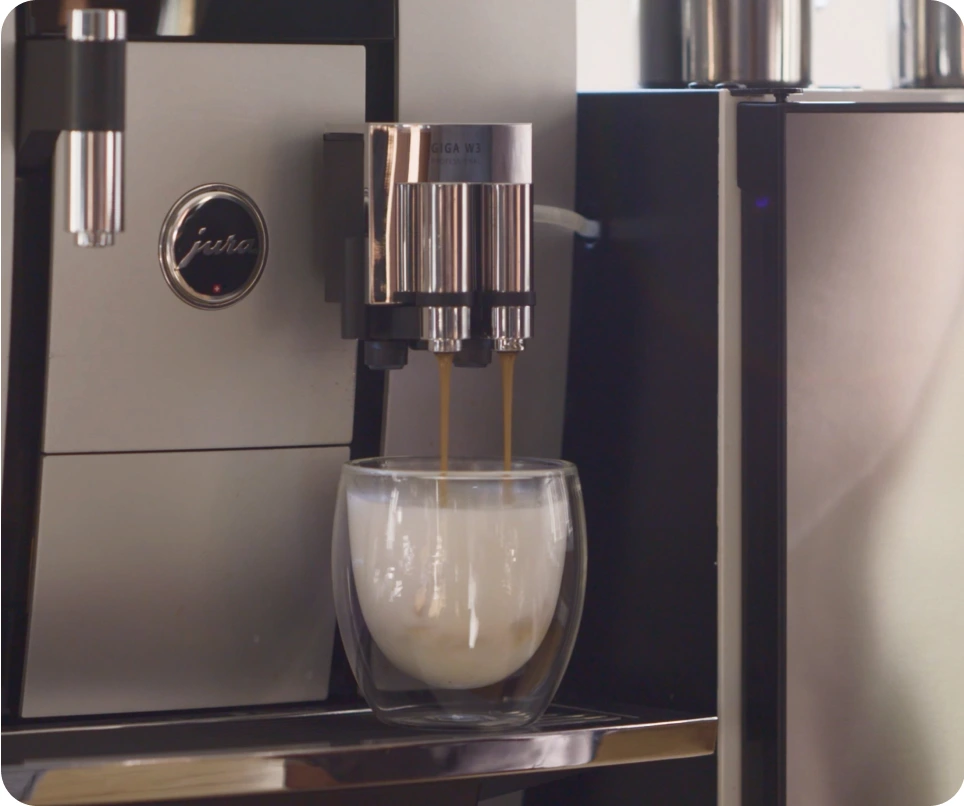
A coffee machine subscription sounds simple until you realize it touches half your workday. The machine breaks at 8:47 a.m., the beans disappear before lunch, somebody forgot filters again, and suddenly office coffee is not a small issue at all. If you’re looking at a coffee machine subscription for your workplace, the real goal is not just better coffee, it’s fewer daily annoyances.
Why a coffee machine subscription can fix more than just the morning rush
Office coffee has a way of becoming everyone’s problem and nobody’s job. When the machine clogs, milk runs out, or a sad tin of instant coffee becomes the backup plan, you feel it immediately. Not just in the kitchen, but in meetings, in reception, and in those small moments that shape how your workplace feels.
A coffee machine subscription is an ongoing service that combines the coffee equipment with some mix of beans or pods, supplies, maintenance, repairs, and regular restocking. In some setups, you can also bundle extras like syrups, tea, hot chocolate, or water dispensers. Instead of buying a machine outright and figuring out everything else yourself, you pay for a managed system.
That distinction matters.
A good subscription removes friction in places you probably already notice: who orders stock, who calls for repairs, how long downtime lasts, whether the machine still works well after the first month, and whether visitors can get a decent coffee without staring at a confusing screen. Chosen well, this kind of setup can clean up a surprising amount of office chaos.
What a coffee machine subscription usually includes
Not every subscription means the same thing, and that is where a lot of confusion starts. Some plans are barely more than a machine rental with beans delivered now and then. Others are closer to a full beverage service for your office.
The trick is to separate the parts and see what is truly included.
The machine itself
In most office subscriptions, the machine is provided for the length of the agreement rather than sold to you outright. That can take the form of a lease, a rental, or an included machine tied to a monthly service plan. On paper, those can look similar. In practice, they can feel very different.
A lease often comes with a longer commitment and more rigid terms. A rental is sometimes more flexible, though not always cheaper. An included machine sounds straightforward, but you still need to know what happens if usage outgrows it, if performance drops, or if the model turns out to be a poor fit.
The big question is simple: if the machine stops doing its job, who fixes the problem and how fast? You want that answer in writing, not buried in a sales conversation.
Coffee, supplies, and restocking
Coffee is only part of the supply picture. Depending on the plan, your subscription may include beans, pods, ground coffee, milk powder, fresh milk systems, oat milk or almond milk options, cups, lids, stirrers, sugar, sweeteners, cleaning tablets, filters, and descaling supplies.
Some providers bundle all of this into a fixed monthly fee. Others separate machine service from consumables, which can be fine if pricing stays clear. The catch is that a cheap-looking monthly plan can become expensive fast once every extra item gets billed separately.
Restocking also varies more than most offices expect. In some cases, deliveries arrive on a schedule. In others, somebody on your side has to monitor stock and place reorders. That sounds manageable until a busy week hits and the coffee disappears on a Tuesday morning.
Service, maintenance, and repairs
This is where a subscription can either earn its cost or turn into a headache. Machines need regular cleaning, descaling, occasional part replacement, and the kind of attention that nobody in the office really wants to manage.
Some plans include preventive maintenance on a schedule. Some only respond when something breaks. Some cover labor but not parts. Some promise support quickly, then define “quickly” in ways that feel less impressive when your break room is out of action.
Emergency callouts matter, but routine service matters just as much. A machine that gets cleaned and serviced properly tends to keep making good coffee. A machine that gets ignored until it fails usually gives you a stretch of mediocre drinks before it gives up entirely.
Add-ons beyond coffee
A lot of offices want one provider to handle more than just coffee, and that can make sense. If your workplace already needs filtered water, sparkling water, tea, hot chocolate, syrups, or snack pairings, bundling those under one account can simplify ordering and support.
It also helps the beverage station feel more complete. Not everybody wants espresso at 3:00 p.m. Some people want peppermint tea. Some want still water. Some want a flavored latte for a client meeting. A provider that can cover those adjacent needs can save you from patching together three different vendors for one kitchen.
How office coffee subscriptions differ from home coffee subscriptions
A home coffee subscription is usually about preference. Maybe you want a new single-origin bean every month, or maybe you never want to run out of pods. The stakes are low. If the machine needs cleaning, you deal with it when you feel like it.
Office coffee is different because the machine has to survive traffic, repetition, and mixed tastes. It needs to work for the person who wants a quick black coffee at 8:55, the manager setting up a boardroom at 10:00, and the visitor who has never seen the machine before. Taste matters, but uptime matters more.
That is why office plans are built around capacity, simplicity, service response, and supply logistics. A beautiful home machine that makes four excellent coffees a day can fall apart in a busy office kitchen. The same goes for subscription models that assume you will happily manage ordering, troubleshooting, and cleaning yourself.
Office coffee is part hospitality, part operations. Treat it that way.
The main types of coffee machines you can get on subscription
Most office coffee subscriptions revolve around a few machine categories. Each solves a different problem, and none is automatically the best. The right fit depends on how your office actually drinks coffee, not how you wish it did.
Bean-to-cup machines
Bean-to-cup machines grind fresh beans and prepare drinks automatically. Press a button, get an espresso, americano, cappuccino, or latte, usually with very little effort. For many offices, this is the sweet spot between café-style drinks and practical daily use.
The appeal is obvious. Fresh grinding improves aroma, drink options cover a lot of preferences, and the machine usually looks polished in a client-facing space. If your office wants coffee that feels like a step above standard break room fare, bean-to-cup is often the first category worth looking at.
The tradeoff is maintenance and cost. These machines are more complex, milk systems need regular cleaning, and monthly fees tend to be higher. If your team wants nicer drinks but nobody wants extra upkeep, pay close attention to the service package.
Pod or capsule machines
Pod systems are fast, tidy, and easy to understand. Insert pod, press button, drink appears. Cleanup is minimal, consistency is predictable, and training is nearly nonexistent.
That simplicity is real value in smaller offices or low-traffic meeting spaces. If your biggest problem is convenience, a pod-based setup can solve it quickly.
But there is a catch. Pod costs add up, waste can become a concern, and drink quality may feel limited if your office expects a more premium experience. These machines can also feel less suitable in workplaces where hospitality matters, especially if the coffee tastes flat by comparison with fresh bean systems.
Traditional espresso machines
A traditional espresso machine can make sense in high-end hospitality settings, design-conscious offices, or spaces where coffee is part of the experience rather than just a utility. Done well, the result is excellent.
Done badly, it becomes a very expensive decoration.
Traditional machines usually need training, hands-on preparation, more detailed cleaning, and sometimes dedicated staffing during busy periods. If nobody in your office has time to tamp, steam, wipe, and maintain standards, this setup becomes frustrating fast. It is a strong option for certain environments, but not for offices that just want a reliable self-serve system.
Filter or batch brew systems
Batch brew is not flashy, but honestly, it is often the smartest choice in larger teams. If most people want straightforward coffee, and they want it quickly, a good filter setup can outperform a more glamorous machine.
It handles volume well, tends to be cheaper, and is easier to maintain. In a workplace where people fill mugs all day and do not care about foam art, this is often the practical winner.
The limitation is variety. If your office expects lattes, cappuccinos, or espresso drinks, batch brew alone will feel basic. Still, for throughput and simplicity, it is hard to beat.
Hybrid setups
Hybrid setups solve mixed habits. You might pair a bean-to-cup machine with a batch brewer, or combine coffee equipment with a water dispenser and tea station. This works especially well in offices where demand peaks sharply or drink preferences split in obvious ways.
Picture a busy floor at 9:00 a.m. Some people want a quick mug of coffee and need to keep moving. Others want a cappuccino before a client call. A hybrid system handles both without making one line crawl behind the other.
For larger offices, this can be more efficient than trying to force one machine to do everything.
How to choose the right subscription for your office size and habits
The best office coffee setup starts with your actual patterns. Not your headcount on paper, not the coffee culture you hope to create, and not the polished sales demo. The right question is: what happens in your break room on a normal Tuesday?
Small offices
Small offices usually do best with simplicity. If counter space is tight and daily drink volume is modest, you probably do not need a large, high-maintenance machine with a long drink menu.
A compact bean-to-cup machine or a tidy pod setup often works well here, especially if your team values easy use over endless customization. You want predictable costs, simple restocking, and minimal cleanup. In a smaller space, complicated equipment becomes annoying faster because every refill, spill, or repair feels more visible.
Mid-size offices
Once your office grows, variety starts to matter more. Somebody wants decaf. Somebody else wants oat milk. Guests come through. The nice simple setup that worked for 12 people starts to look stretched at 35.
This is often where bean-to-cup subscriptions become appealing. You get broader drink choice, better presentation, and a system that can support more regular use. Refill frequency and service speed start to matter more too, because there is less margin for running out or going down.
Large offices and multi-floor workplaces
In a large office, coffee becomes an operations issue. Throughput matters, backup matters, and one machine failure can affect dozens of people in one shot.
That is why bigger workplaces often need multiple machines, plumbed-in water lines, larger hoppers, and a provider that can respond quickly when something goes wrong. You may also need different setups for different floors or departments. One all-purpose machine usually looks efficient on paper and frustrating in real life.
Client-facing spaces and hospitality-heavy offices
If clients, partners, or candidates regularly see your coffee setup, appearance and ease of use carry more weight. The machine becomes part of the environment, like lighting or reception seating. People notice when it looks premium, and they definitely notice when it sputters or needs a handwritten instruction sheet.
In these spaces, drink quality, quiet operation, clean presentation, and a thoughtful mix of options matter more than shaving a little off the monthly bill.
The buying factors that matter most
Marketing claims are easy to drown in. A better way to judge a coffee machine subscription is to focus on the few things that actually shape daily experience.
Drink quality and consistency
Start here, because bad coffee defeats the point. Taste the drinks during a demo, but do not stop at one perfect cup. Ask how the machine performs after repeated use. Try black coffee, espresso, and milk drinks if those matter in your office.
Pay attention to temperature, strength options, milk texture, and whether the flavor feels flat or fresh. The best office machine is not just capable of making one nice drink. It makes the 40th drink of the morning without falling apart.
Ease of use
If somebody needs instructions taped to the wall, the machine is already harder than it should be. One-touch drink options, clear labeling, sensible touchscreen menus, and easy refill access all make a difference.
This matters even more in offices with visitors, shared kitchens, or regular new starters. You want a setup that feels obvious in under 30 seconds.
Capacity and speed
A machine can look great in a quiet demo and collapse during the morning rush. Check output speed, hopper size, waste capacity, water supply, and how many drinks it can realistically make back-to-back.
Plumbed-in machines remove one common headache by skipping manual water refills. For larger teams, that alone can be worth it. Wait times matter too. If getting coffee takes seven minutes at 9:00 a.m., people will notice every day.
Cleaning requirements
“Automatic cleaning” usually means partially automatic cleaning. There is almost always some manual work involved, especially with milk systems, drip trays, waste containers, and exterior wipe-downs.
Ask what needs daily attention, what needs weekly attention, and who is expected to do it. A machine that makes nice drinks but needs fiddly daily care can become an office nuisance fast.
Reliability and service response
This is the section most offices underweight. Reliability is not only about the machine model. It is also about service structure. How often is preventive maintenance scheduled? Is support same-day, next-day, or best-effort? Is there a loaner machine if repairs take time?
Read service promises carefully. “Fast support” is not a useful term. A defined response window is.
Flexibility of the subscription
Offices change. Headcount shifts, layouts change, return-to-office patterns move around, and somebody eventually asks for better decaf. Your subscription should have room to move with you.
Check how easy it is to change coffee volume, swap machine types, add a second machine, expand into water service, or scale down if usage drops. Flexibility is not a luxury. It is protection against getting stuck.
Pricing: what you actually pay for
The monthly number on a quote is only part of the story. A proper comparison means understanding what sits inside that number and what sits outside it waiting to surprise you.
Monthly subscription fees
Most pricing falls into a few buckets: fixed monthly plans, usage-based pricing, or bundled packages with separate consumable charges. Fixed plans are easier to budget for. Per-drink or variable models can work if usage is stable and transparently tracked.
The key is matching the pricing model to your behavior. If your office has predictable demand, fixed pricing can remove a lot of uncertainty. If drink volume swings wildly, flexibility may matter more than a neat monthly number.
Installation and setup costs
Setup charges can include delivery, installation, plumbing, electrical work, water filtration, placement adjustments, and staff onboarding. Some providers wrap these in, some bill them separately.
This is one of those areas where two quotes can look similar until the invoice arrives. Always ask what site preparation is needed before the machine shows up. A beautiful plan can get awkward fast if your chosen location lacks the right water or power access.
Consumables and overage charges
Coffee, pods, syrups, milk systems, cups, filters, cleaning products, and water filters may all sit outside the base price. If your usage exceeds the plan allowance, overage charges can push the monthly cost up more than expected.
This does not mean variable charges are bad. It just means you need to know where the meter is running.
Maintenance, repairs, and hidden fees
Some contracts include standard maintenance but charge for emergency visits. Others include labor but not parts. Some plans cap the number of service visits. Some charge for replacement filters or descaling outside a schedule.
Hidden fees are rarely hidden on purpose. More often, they are simply buried in contract language that nobody reads closely enough at the start.
When paying more saves money
Cheaper is not always cheaper. A higher monthly fee can make sense if it buys faster service, fewer breakdowns, easier cleaning, better drink quality, or bundled supplies that reduce admin work.
That is especially true in busy offices where downtime affects a lot of people. Saving a little each month is not a win if you keep losing time to stock issues, maintenance problems, and complaints.
Contract terms to check before you sign anything
Contracts are where a subscription goes from sounding good to actually being safe. The legal wording may be dull, but the consequences are not.
Contract length and renewal terms
Some subscriptions run month to month. Others lock you into one, three, or even five years. Longer terms can lower the monthly price, but they reduce your ability to change course.
Auto-renewal deserves special attention. So do notice periods. Missing a cancellation window by a couple of weeks can turn a finished agreement into another year you did not want.
Minimum order commitments
Some providers require minimum coffee volumes or spending levels. That can be reasonable in high-use offices, but risky if attendance fluctuates or your team is still settling into a hybrid pattern.
If your office drinks less than forecast, you do not want to keep paying for stock you cannot use in time.
Cancellation and exit fees
Plans change. Offices move. Headcount drops. Budget priorities shift. Make sure you know what happens if you need to leave early.
Exit fees can range from manageable to painful, especially if the machine was priced assuming a long term. Read this section carefully.
Machine replacement and upgrade options
A machine that fits today may not fit a year from now. Ask whether you can upgrade if your office grows, downgrade if usage drops, or replace a model that turns out to be the wrong fit.
A flexible provider should have a path for that. If the answer sounds slippery, take note.
Ownership, returns, and end-of-contract logistics
Know who owns the machine, who removes it, what condition it must be in, and whether return costs fall on you. If accessories, water filters, or add-ons were installed, check who handles removal and repair of the space afterward.
These details matter more at the end than they seem at the start.
Coffee options: beans, pods, roasts, and customization
The machine gets attention during the buying process, but the coffee itself is what people taste every day. If the coffee is forgettable, the setup will feel forgettable too.
Whole bean, ground, or pod-based supply
Whole bean setups usually offer better freshness and aroma, especially in bean-to-cup machines. Ground coffee can work well for batch brewers. Pods win on convenience and consistency.
Each format changes your daily experience. Whole beans need more machine care. Pods create more packaging waste. Ground coffee can be simple and efficient but less versatile. Match the format to the machine and to your tolerance for upkeep.
Roast profiles and drink preferences
For mixed offices, medium roasts are often the safest starting point. They tend to please the most people and work across black coffee and milk-based drinks. Espresso blends usually hold up better in cappuccinos and lattes, where milk can flatten lighter flavors.
If your office has a strong coffee culture, rotating options can be a nice touch. But for most workplaces, consistency beats novelty. People notice when the coffee is reliably good. They do not always need a tasting flight on a Thursday.
Decaf, tea, and non-coffee choices
A beverage station works better when it serves more than regular coffee drinkers. Decaf matters. Tea matters. Hot chocolate can matter more than you think, especially in client areas or colder months.
A simple non-coffee option makes the setup feel more considered and more inclusive of how your office actually operates.
Seasonal drinks and extras
Syrups, flavored options, milk alternatives, and small upgrades can make a standard setup feel much more welcoming. The trick is not to overdo it.
You do not need to turn the office kitchen into a café menu board. A couple of smart extras, like vanilla syrup, oat milk, and a good hot chocolate option, usually go further than a sprawling list nobody manages well.
Delivery, storage, and restocking logistics
A coffee subscription lives or dies on logistics. Great beans and a nice machine do not help much if stock arrives late or takes over the supply closet.
How often deliveries should happen
Delivery cadence should match your usage and storage reality. Too infrequent, and you run out. Too frequent, and boxes pile up everywhere.
Fresh bean programs usually benefit from more regular deliveries. Pod systems can often tolerate longer cycles. The right schedule depends on how quickly your office goes through stock and how much room you actually have.
Storage space and freshness
Beans, pods, syrups, cups, cleaning tablets, filters, and backup supplies all need a home. If storage is cramped, bulk deliveries may cause more hassle than savings.
Coffee also keeps better when stored properly, away from heat, light, moisture, and constant opening. That sounds obvious, but office kitchens are full of awkward corners and overstuffed shelves.
Who manages inventory on your side
Some providers monitor usage and trigger replenishment for you. Others leave stock management in your hands. If that responsibility lands inside your office, make sure it belongs to a named person, not to “everyone.”
That vague setup is exactly how you end up out of coffee at 10:00 a.m. on a Wednesday.
Common mistakes offices make with coffee machine subscriptions
Most coffee subscription problems are not dramatic. They are small, repeated annoyances that build up over time.
Choosing based on machine looks alone
A sleek machine can absolutely help in a visible office space, but looks should come after fit. If it cannot keep up with demand, is awkward to clean, or confuses half the office, the design stops being impressive pretty quickly.
Underestimating peak usage
Average daily cups are useful, but peak demand is what exposes weak setups. Monday mornings, all-hands days, training days, and client-heavy weeks can stress a system far beyond the average.
Buy for the rush, not the quiet hour.
Ignoring maintenance realities
Machines need care. If cleaning duties are unclear, preventive service is weak, or breakdown response is slow, you will get lower drink quality before you get a full failure. Bad coffee is often an early warning sign.
Locking into the wrong contract
Long contracts can be fine when the fit is proven. They are risky when your office size, attendance pattern, or layout may change. Flexibility has real value here.
Forgetting the non-coffee drinkers
An office beverage setup works better when it serves more than one type of person. Water machines, tea, decaf, and simple extras make the whole station more useful, not just more expensive.
Best coffee subscription setups by office use case
Some setups make more sense for certain workplaces. The best choice becomes clearer when you picture the day-to-day environment.
Best for small teams that want simplicity
A compact, low-maintenance system usually wins. That often means a pod machine or a smaller bean-to-cup model with simple ordering and predictable monthly costs. You want as little daily fuss as possible.
Best for offices that want café-style drinks
A bean-to-cup setup with solid milk drink capability is usually the right lane. Pair that with better beans and dependable service, and you get the café-style feel without asking anybody to play barista.
Best for high-traffic break rooms
This is where capacity matters most. Larger machines, plumbed-in water, bigger bean hoppers, and bulk supply plans make a big difference. Fast service response belongs near the top of your criteria list.
Best for client-facing workplaces
Go for presentation, quiet operation, and polished drink variety. A machine that looks clean, works intuitively, and produces consistently good drinks says something about the care put into the space around it.
Best for offices that want one beverage partner
If your workplace wants coffee, tea, water, syrups, and maybe hot chocolate from one source, look for a provider with genuine breadth. The benefit here is not only convenience. It is also simpler support and fewer loose ends.
Questions to ask a provider before you commit
Sales demos are polished by design. Good questions help you see what daily use will actually feel like.
Questions about service and downtime
Ask how quickly service requests are answered, what counts as urgent, whether same-day support exists, and what happens if the machine is down for more than a day. Ask whether a backup or loaner machine is available.
If the answers stay vague, that is the answer.
Questions about supply flexibility
Ask how easy it is to increase coffee volume, swap blends, add decaf, bring in syrups, or expand into a water machine later. Flexibility should sound normal, not like a special exception.
Questions about training and onboarding
Ask what setup day looks like. Will somebody show your team how to use the machine, clean it properly, and handle basic issues? Good onboarding prevents a lot of avoidable frustration.
Questions about total cost
Ask for every fee in one place: monthly charges, install costs, consumables, overages, service callouts, cancellation terms, and anything outside the quote. A clean answer here usually signals a cleaner relationship later.
How to trial a coffee machine subscription without regretting it later
The best way to test a coffee service is to see how it behaves under ordinary pressure, not showroom conditions.
Run a short pilot if possible
A short pilot during normal office hours tells you more than a polished tasting ever will. Watch what happens during the morning rush. See how often refills are needed. Notice whether drink quality stays steady after repeated use.
That Monday at 9:12 a.m. is where the truth shows up.
Gather feedback from actual users
Ask simple questions. Does the coffee taste good? Is the machine easy to use? Does it feel fast enough? Does it solve the problems you already have, or just replace them with newer ones?
Keep the feedback practical. People are good at spotting friction when it affects their routine.
Measure what matters
Track cups served, refill frequency, stockouts, service calls, and complaints about downtime or drink quality. You do not need a complicated system. A simple tally during a short test can tell you a lot.
A simple shortlist process for choosing the right subscription
At some point, you have to narrow the field. The easiest way to do that is to stay grounded in what your office actually needs.
Start with your must-haves
Write down the non-negotiables first: how many people use the setup, which drinks matter most, your realistic budget, your service expectations, and whether you also want water, tea, or syrup options.
That list will eliminate more bad fits than any sales pitch will.
Compare three providers side by side
Build a simple comparison grid with machine type, drink quality, monthly cost, contract length, service response, consumables, and flexibility. Side-by-side comparisons expose tradeoffs quickly.
Three options is usually enough. More than that, and the process starts to feel like shopping for paint in a warehouse aisle.
Try one thing this week
At 10:00 a.m. on a busy day, walk into your current office kitchen and write down what breaks first. Maybe it is a slow machine, empty beans, a messy milk system, or a line of annoyed people waiting for coffee. Start there, because the best coffee machine subscription is the one that fixes the problem you actually have.
- Disclaimer: This article is for general informational purposes only. It is not professional advice, a quote, or a service agreement. Conditions at your home or property may differ; contact a qualified professional for an on-site evaluation before making repair, safety, or spending decisions.