Office coffee sits in a strange category: everyone uses it, few companies measure it, and almost nobody puts it on the quarterly strategy slide. Yet the break room is where informal leadership happens, where new hires learn culture in five-minute conversations, and where hybrid teams re-sync when they are in the building.
When that station serves burnt drip or a pod that tastes like plastic, people do not complain loudly—they leave. They walk to the café, lose twenty minutes, and return with a cup that cost eight dollars and a meeting they are now late for. Multiply that across a floor and “free” office coffee becomes expensive fast.
Time is the hidden line item
Economists love to debate productivity; facilities teams see the simpler math. If thirty employees each lose fifteen minutes twice a week chasing better caffeine, that is fifteen hours of work gone—not counting the context switching when they return mid-thread.
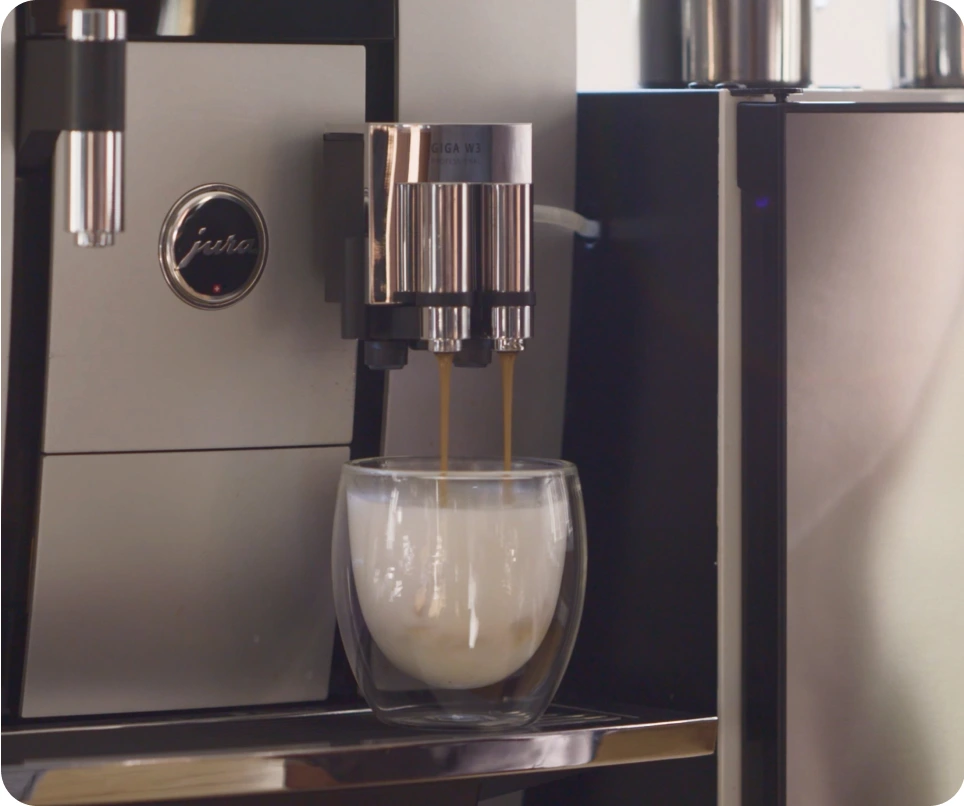
Café-quality equipment in the building does not eliminate social breaks; it anchors them onsite. Conversations happen around a machine that pulls a real latte, not around a machine that everyone apologizes for.
Morale is not fluff—it is retention signal
Employees rarely quit because of coffee alone. They quit when a dozen small signals say “this place does not invest in how we work.” Stale pods, empty supplies, and a machine that has been “getting fixed next week” for a month are signals.
Conversely, a well-run coffee program says:
- We respect your time.
- We want you to stay and collaborate.
- We will maintain what we provide—not dump hardware and disappear.
Break Coffee Co. exists because founders saw mediocre workplace coffee erode community long before it showed up in an exit interview.
Sustainability and brand values show up in the cup
Disposable pods and stacks of paper cups contradict corporate sustainability pledges in a way employees notice instantly. Whole-bean grinding per cup, reusable mugs, and bottleless water options align daily habits with stated ESG goals without asking employees to sacrifice taste.
That alignment matters when candidates tour the office or when clients visit for workshops. The break room is part of the brand story whether or not it is on the tour script.
Hybrid work changed peak demand—not the need for gathering
Hybrid schedules compress in-office days. Pantry traffic spikes on Tuesdays and Wednesdays; visitor coffee surges on client days. A static pod order cannot follow that curve; a managed program adjusts beans, milk, and service cadence to measured cup counts.
Great coffee also gives people a reason to choose the office on days they could stay home. It is one lever in the return-to-office toolkit that actually feels like a benefit instead of a mandate.
Financial clarity beats mystery spend
Pod programs hide cost in SKUs, stashes, and “who ordered these?” emails. Subscription billing tied to cup volume gives finance a line item that tracks adoption. Leaders can see whether the program is working instead of guessing from pantry clutter.
Pair that with a two-week trial and you get data before a long commitment—usage patterns, popular drinks, and whether one machine or two fits the floor.
What good looks like on a random Tuesday
Good office coffee is boring in the best way: the machine works, milk is cold, beans smell fresh, the station is clean, and nobody posts in Slack asking if anyone is driving to Starbucks. Service visits happen on rhythm; issues get reported once and fixed.
That outcome takes equipment matched to volume, local concierge ownership, and consumables delivered like clockwork—the combination Break Coffee Co. franchises deliver in markets across the U.S.
Make the break room pull its weight
If your current setup sends people out the door, it is already costing you—just not on a slide deck. Explore equipment options, read how the program works, or request a trial and measure the difference on your own floor for two weeks.
Coffee will never replace compensation, flexibility, or meaningful work. It can remove a daily friction point that undermines all three—and give your team one more reason to stay in the room where work actually happens.