Central New Jersey floors that lean hard on iced drinks in midsummer share a quieter failure mode than empty bean hoppers. The ice bin runs thin, scoops sit wet on the counter, and the next person hesitates. Gold coast offices near Princeton and hospital-adjacent banks around New Brunswick both feel it, just on different clocks. Meeting afternoons empty ice on the gold coast. Shift handoffs empty it near clinical pads. The machine can still pour espresso. The iced line stalls anyway.
This is an ice etiquette and restock problem, not a milk cold-chain story. The constraint is how shared bins are used and refilled during the iced peak, not whether dairy sat too long in a fridge.
Why iced peaks break shared bins first
Seat maps count people. They do not count how many iced cups hit the same bin between two and four. A floor can look fine on weekly cup totals and still fail when everyone wants cold drinks in the same band. Wet scoops left in the bin melt ice faster. Open lids invite crumbs. A bin that looked full at eleven can be unusable by three without a single equipment fault.
Gold coast meeting blocks create a short, sharp iced surge after lunch reviews. Hospital-adjacent floors create repeated smaller hits at handoff hours. Parent companies that run both footprints often copy ice restock from the quieter address and wonder why the louder one complains first.
Score pantry readiness with the break room readiness quiz. Trial setup sits in the two week trial FAQ. Corridor notes live in local field notes.
Rules that keep shared ice usable
Post a short list at the bin: scoop stays dry between uses, lid closes, and empty trays get reported before the afternoon peak. Assign one steward per floor type rather than assuming facilities will notice mid-surge. Log when the bin hits half empty on the loudest weekday. That timestamp is more useful than a weekly ice invoice.
Protect a pre-peak top-up on heavy iced days. A bin filled at nine for a mild morning will not survive a three o’clock meeting dump on the gold coast or a shift change near New Brunswick. The fix is timing, not a larger average delivery that sits melting on quiet mornings.
Restock and hardware that match iced demand
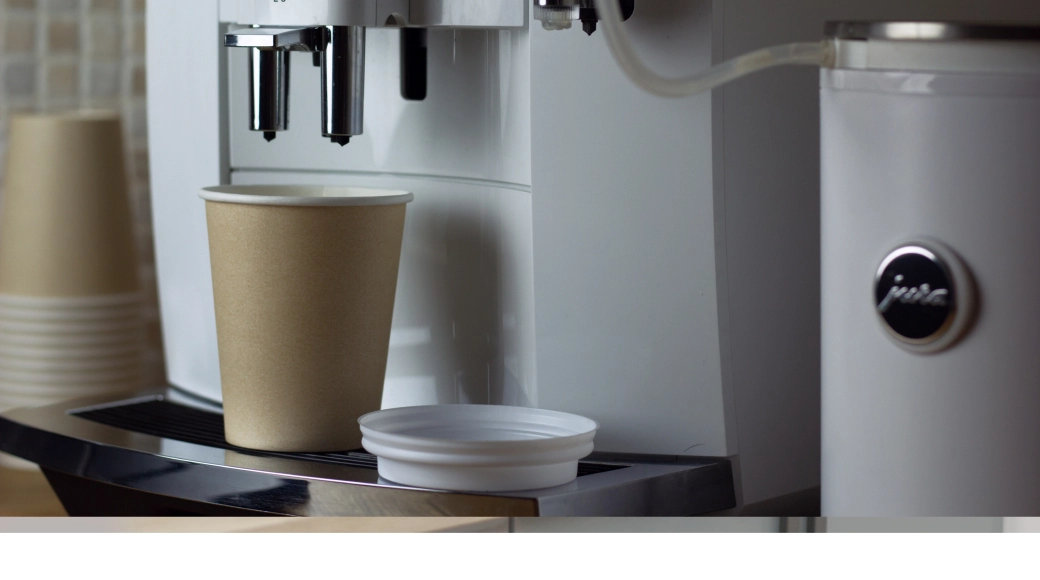
Swiss bean-to-cup machines still drive the pour. Technician visits on a weekly or biweekly cadence keep grinders and steam wands ready for the espresso side of iced drinks. Cup-based billing tracks the surge without locking finance into a flat estimate that ignores humid-week spikes. Fresh dairy at the wand still matters for texture on iced lattes, but ice capacity is what fails first when etiquette slips.
Compare program options on the about page, and scan the blog index for other Central New Jersey angles.
Pilot the floor with the worst iced bottleneck
Start the complimentary fourteen-day trial on the pad where ice complaints already show up in tickets. Ask ambassadors to note bin level at noon and at three, plus whether scoops stayed dry. Those two readings tell you if etiquette, restock timing, or both need to change before you scale the same plan to quieter floors.
Cup-based invoicing keeps spend tied to actual iced and hot pours. House Arabica from Papua New Guinea, Brazil, and Colombia, roasted stateside, arrives on a usage-matched cadence instead of seat guesses. That pairing fits Northern New Jersey campuses that run gold coast and hospital-adjacent footprints under one parent company.