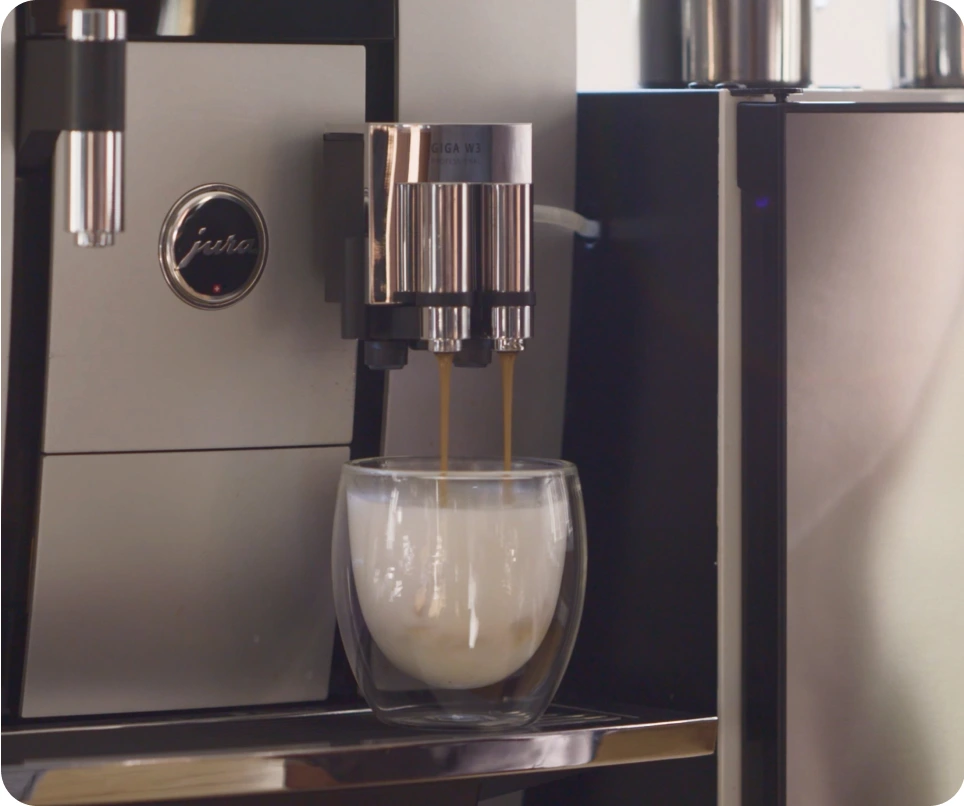
Campus-style pantries in North Dakota often serve populations that rotate faster than the org chart updates. Energy, healthcare, and professional employers run two-week rotations, project crews that swap buildings, and hybrid anchors that make one wing feel like a full headquarters while another wing stays quiet for days. Break rooms stocked for a static headcount show the mismatch in milk waste before finance sees cup data.
Break Coffee Co. offers whole-bean espresso, real milk, cup-based billing, and a free two-week trial tuned to who is actually on site, not who was on site last month.
When the pantry serves three populations in one month
A single campus pantry might see administrative staff on a hybrid cadence, field supervisors between sites, and rotating project teams that spike demand for one week and disappear the next. Pod systems hide the gap until restocking follows the wrong crew’s habits. Whole-bean equipment grinds per cup and stays on weekly or biweekly service tuned to measured pours.
Cup-based billing ties spend to adoption instead of per-seat lines that cannot explain a rotation week to leadership. Preventative maintenance is bundled so facilities are not opening tickets when the crew that actually uses the machine is different from the crew that complained.
Multi-site routing across Fargo, Bismarck, and campus pads
North Dakota portfolios often span cities and campus pads with different dock rules, badge processes, and after-hours access. Share site lists and rotation calendars when you request a trial on the North Dakota overview so routing does not assume every building shares the same security story.
Do not average cup counts across Fargo, Bismarck, and campus pads without local pours, security and dock rules differ enough that routing and maintenance should differ too.
Oat milk and dairy when crews bring their own habits
Rotating teams arrive with different milk preferences, oat-forward sustainability floors next to crews that expect whole milk for early shifts. Break Coffee Co. dials taps during week one of a pilot so week two reflects honest usage for the crew schedule you will actually run this quarter.
Our proprietary Arabica blend, sourced from Papua New Guinea, Brazil, and Colombia and roasted in the United States, is replenished on usage so the pantry does not carry stale aroma on the week the building is fuller than finance predicted.
Pilot the pantry rotation crews actually use
Recommend a two-week trial on the campus wing with the hardest rotation story, not the executive suite that stays steady. Train floor ambassadors who know freight entrances and which vendor window security prefers.
Read the break room readiness quiz for readiness scoring. The two week trial FAQ covers week-one expectations. Local field notes frame how teams compare office coffee to what they drank in larger markets. The May rotation schedules and campus-style pantries article walks similar rotation physics, use both when you brief operations.
What to measure when headcount changes by the week
Compare cup counts by rotation week, not only by calendar week. Watch milk discard when light crews follow heavy crews, ordering habits lag rotation. If grinder calibration drifts, flavor complaints arrive before error codes; recurring service beats break-fix cycles.
Rotation weeks often show badge swipes that understate pantry use, crews share badges, supervisors float between buildings, and contractors pour coffee without appearing in seat counts. Cup-based billing closes that gap for finance without pretending badges tell the whole story.
Shift handoffs can spike demand at hours corporate calendars ignore. Share handoff windows when you email dj.volk@breakcoffeeco.com so service is not tuned to a nine-to-five curve on a campus that runs evenings.
Project crews often treat the pantry like a camp kitchen, high volume, fast turnover, little patience for empty oat milk. Service cadence matched to crew calendars prevents the “machine works when nobody needs it” story that shows up on light admin weeks.
Moving off single-use pods reduces visible waste and improves taste, important when new crews arrive weekly and judge amenities quickly.
Use the Request a trial form on your North Dakota overview page when you are ready. Call (701) 400-4258 or email dj.volk@breakcoffeeco.com for routing across sites and security-friendly arrival windows.
DJ Volk’s team needs rotation labels, which wing, which crew calendar, which weeks are heavy, so the pilot reflects the pantry crews actually use. Campus-style coffee that holds through rotation changes is one of the few amenities that signals stability when the roster does not.