Melville corporate parks host a steady stream of people who never touch a badge reader. Showroom appointments, distributor reps, training cohorts, and client meetings all pour from the same suite pantry that facilities sized around the badged staff. The reception-side machine can empty its dairy while the desks upstairs are still on their first pot.
The subject here is counting those visitor cups against badged desk pours, not dock timing or morning restock windows. A Long Island suite planned on headcount alone keeps wondering why the front pantry empties on the days the seat report calls light.
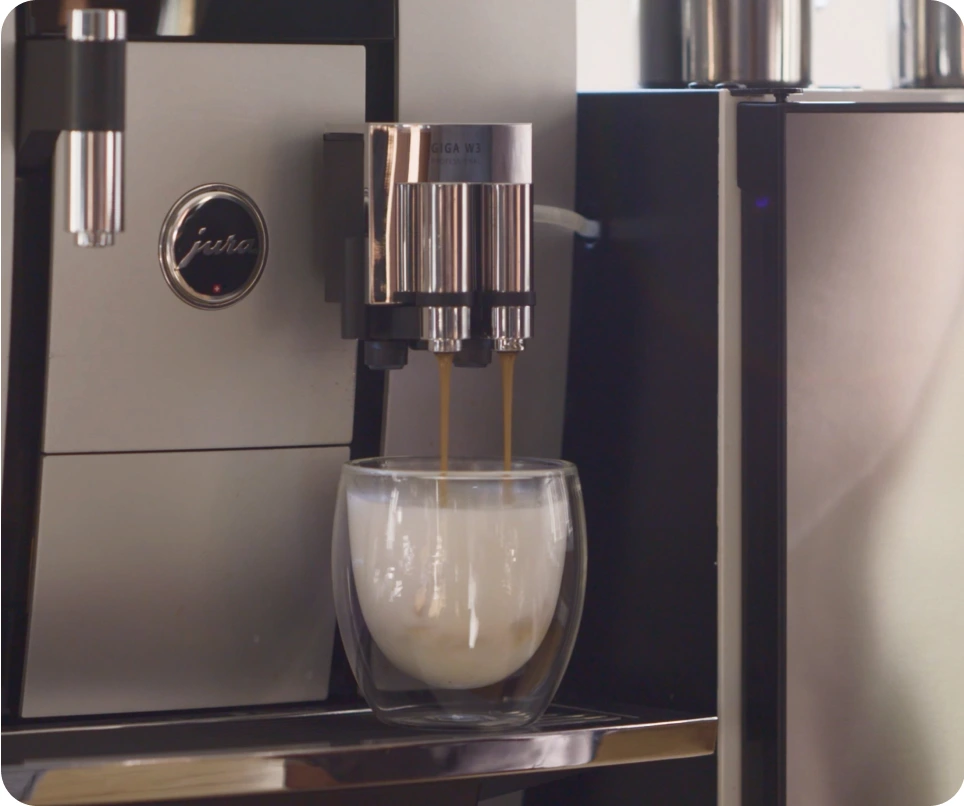
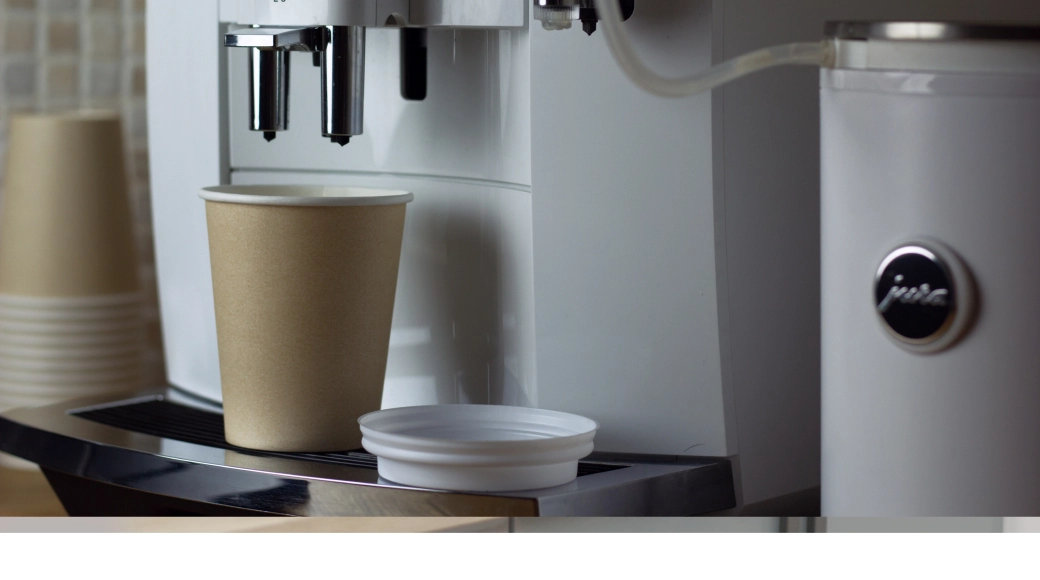
Break Coffee Co. places Swiss bean-to-cup machines in Melville and across Long Island floors, keeps service weekly or biweekly, steams real dairy at the wand, and invoices only on cups poured. The roast is fully Arabica, drawn from Papua New Guinea, Brazil, and Colombia lots and finished in the United States.
Why headcount misses the guest pour
A suite reads lightly staffed and the coffee order tracks that number. What the badge feed cannot show is the training cohort of a dozen booked into a conference room for two days, each of them refilling through the afternoon. That is real spend with no badge behind any of it.
Visitor load on Long Island suites arrives in clusters. Showroom days, distributor visits, and onboarding groups tend to stack into the same stretch and hit the same front pantry. Reading only badged desks, a manager underbuys dairy and beans for exactly the days clients are in the building.
Score how your suite handles guest load with the break room readiness quiz. Pilot timing sits in the two week trial FAQ, and Long Island context is in the local field notes.
Two tallies at the front bank
Have ambassadors keep two counts at the reception-side station: badged desk pours and visitor pours. A quick mark when a signed-in guest or a training attendee takes a cup builds the picture fast. By week two the split shows whether the front bank is really a staff pantry or a guest-facing one.
The split rarely matches the headcount story. A Melville suite that looks quiet can drain dairy by midday because a showroom appointment and a training group overlapped. That is guest share, not desk demand, and it earns its own restock line.
Name the driver on each busy hour. Badged desk pour, showroom appointment, and multi-day training block are different reasons the front bank ran out. Averaged into one suite number, they hide the buffer reception actually needs.
Restock rules that respect guest share
Cadence built on badged desks leaves the front bank short on heavy visitor days. A guest-facing station usually needs a protected top-up ahead of showroom and training blocks, while the interior desks run on a steadier weekly rhythm. One rule across both wastes stock in back and empties the front.
Cup-based billing fits guest-heavy suites because spend rises with visitor volume instead of a flat seat count. When a training week lifts pours, the invoice moves with it; when the desks run quiet, the numbers say so. Facilities get a plan that follows the guests rather than the org chart.
See how service, billing, and equipment differ from pods on the about page, and keep recent Long Island notes in view on the blog index.
Pilot the reception bank first
Run a free two-week trial on the front or reception-side station that hosts the most visitors, not a quiet interior kitchenette. Ambassadors should log guest cups apart from badged cups so week-two data shows the split when finance asks why dairy moved faster than the seat report.
A showroom or client visit leans on a good cup at the door, and that breaks when the front machine is empty during an appointment because it was stocked for desk count. Getting guest-day dairy right is a sales-facing decision before it is a facilities one.
Preventative maintenance rides with the cadence on Long Island accounts so the front machine is not showing an error during a client visit. Volume-matched service beats a break-fix ticket opened after a guest block already found the fault.
Presenting the split without blur
At renewal, put badged desk pours in one appendix table and visitor pours in another. Include showroom hours, training days, and dairy discard by suite type. Metered invoices back those tables because spend already followed each curve rather than a single suite total.
Keep guest volume out of one Melville average. A reception-facing suite and a badged back office can share one contract and pour on opposite schedules. Decision makers who see each label can fund a restock rule that keeps the front bank stocked without overbuying for the desks.
Revisit the break room readiness quiz if human resources and facilities disagree on what the front station should hold before a training week.
Closing the visitor gap before renewal
Treat showroom and training pours as their own operations line, not noise on the badge feed. Log both counts, name the driver on every peak, and let cup billing carry the guest share into numbers finance can defend.
When you are ready to test visitor-aware cup logging, use the Request a trial form on the Long Island overview. Call 866-977-3776 or email admin@breakcoffeeco.com with suite type, typical showroom and training blocks, and receiving rules. The local team can set ambassador logging for visitor cups and badged pours before week one begins.