Buffalo May is not a single weather story. Lake Erie can still deliver a raw wind through downtown canyon streets while the calendar insists patio season has arrived. Inside, employees notice light before they notice roast notes: gray stretches make a break room feel neglected long before finance opens the budget spreadsheet. Coffee that tastes burnt or smells like a machine that has not been serviced looks like a building that forgot people still work inside, even when staffing charts look stable.
The local angle here is mood as infrastructure. Warmth in the cup matters when the view out the window still looks like March.
Gray light and why afternoon traffic tells the truth
Medical and professional footprints along the Buffalo Niagara Medical Campus, Main Street corridors, and suburban office parks often run steady morning routines but uneven afternoons once client meetings stack. A pilot on a floor that already hosts visitors in May surfaces honest cup counts faster than a quiet back-office wing where coffee is optional.
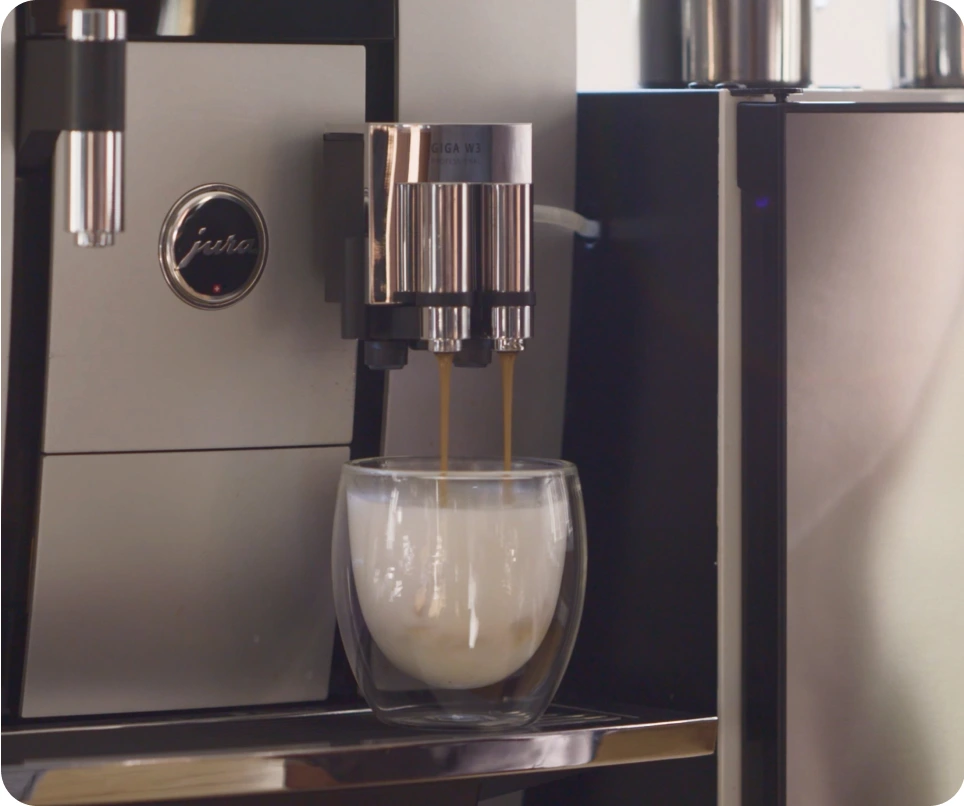
Swiss-style whole-bean equipment grinds per cup and steams real milk on a weekly or biweekly service rhythm tied to usage. Preventative maintenance is part of the model, not a bolt-on invoice that arrives after employees have already voted with their feet for the café down the block.
Cup-based billing when finance wants proof, not folklore
Break room lines that bundle pods, filters, and mystery shrink are hard to defend in a budget cycle that questions every amenity. Cup-based billing aligns spend with measured adoption so facilities can show leadership what employees actually use on a lake-effect Tuesday versus a sunny Thursday when everyone eats lunch outside.
That clarity helps when property teams compare towers: adoption differs by floor even in the same postal code.
Milk steaming as a warmth signal
Steamed milk carries more psychological weight in markets where employees arrive in layers and leave with coffee as hand warmer. Oat and dairy splits should be dialed during a free two-week pilot so the first week does not become a debate about which pitcher ran empty at 2:00 p.m.
The proprietary 100% Arabica blend, sourced from Papua New Guinea, Brazil, and Colombia and roasted in the United States, is replenished on a rhythm matched to real pours so the break room does not smell like yesterday’s roast on the afternoon everyone stayed in for client work.
Moving off pods without a sustainability lecture
Single-use pods and plastic sleeves create visible waste employees notice before leadership does. Whole-bean equipment removes a daily plastic ritual while improving taste, a combination that matters when ESG reporting asks for behavior change employees can see without being asked to sacrifice flavor.
Pilot where clients already walk the halls
Start with a two-week trial on a floor that hosts external meetings in May, see the Buffalo, NY overview for routing when you are ready. Train two ambassadors who know freight rules and which elevator bank your vendor should use.
Read the two week trial FAQ for service schedule and ambassador expectations. Local field notes frame how Buffalo teams think about break room proof when amenities compete with downtown hospitality options.
Submit through the Request a trial form on your Buffalo, NY overview page so routing stays with the local concierge team. Call 716-471-6138 (+17164716138) or email russell.goeseke@breakcoffeeco.com for dock and security questions before you book.
Medical campus rhythms versus downtown towers
The Buffalo Niagara Medical Campus runs a different afternoon curve than traditional towers on Main or in the suburbs. A May pilot should name which rhythm you have so cup counts reflect the floor that actually hosts people in May, not a back office that stays quiet until September.
Canalside season and what leadership should watch
When the waterfront draws lunch crowds, in-building adoption dips on sunny afternoons, that is context for ordering, not failure. Finance should compare weeks, not single days. Track cup trends against weather weeks as context. Watch milk waste as a proxy for over-ordering.
Score your current break room using resources on the Buffalo, NY overview, then read the two week trial FAQ so week-one expectations match how your floor hosts clients in May. Local field notes still frame the comparison employees make between office coffee and what they bought near the medical campus or downtown.
Weekly or biweekly service tuned to cup volume keeps grinders honest and steam wands from scaling up. That is the difference between a break room that feels intentionally warm and one that feels like the building is waiting for summer to care.
Buffalo employers do not need fairy tales about cost savings; they need honest cup counts and flavor that holds on gray afternoons. A break room that steams real milk well and smells like fresh grind signals care in a month when the lake still has something to say about the forecast.