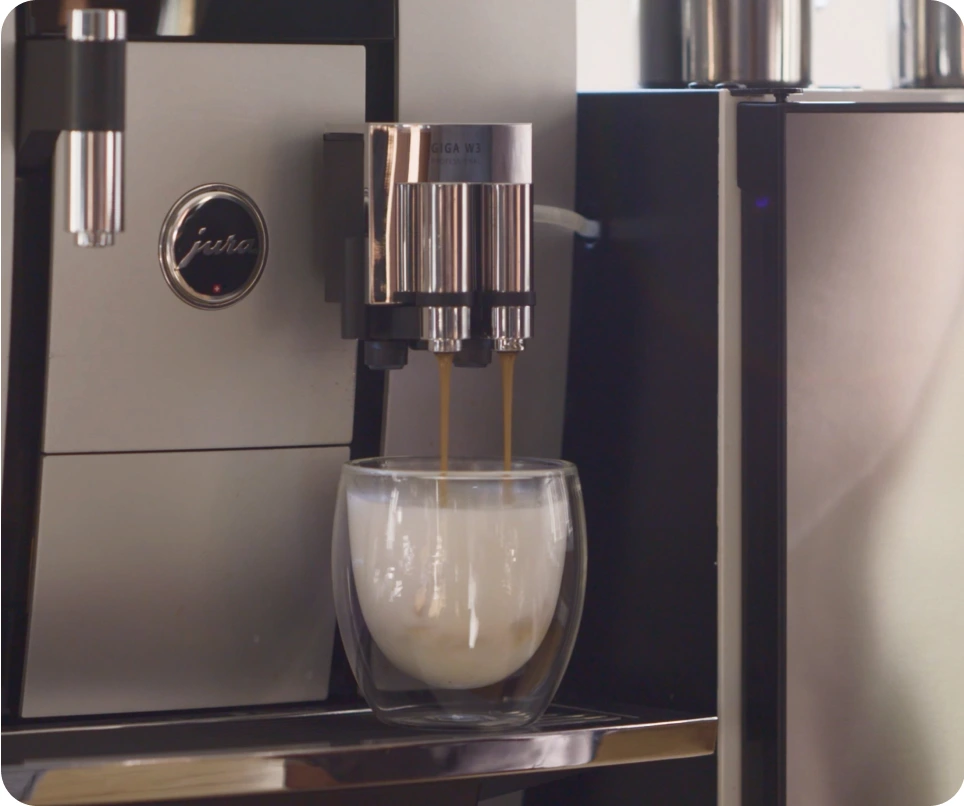
Do not end a Boise two-week trial with one cup total. End it with a drink mix and a waste note.
Downtown offices, Meridian campuses, and Eagle satellites can post the same headcount and still empty different products. Heat, garage walks, and Greenbelt lunches shift people from hot espresso to cold brew without changing badge data. Our Boise team restocks milk, beans, ice, and supplies on a schedule. That schedule fails if the trial only counted cups and ignored what was left in the fridge.

Keep one station record, not a pile of opinions
During the free two-week trial, keep one simple record covering:
- Cups by time of day
- Espresso versus milk drinks
- Cold brew and ice
- Unused product and why it sat
- Queues and machine alerts
- Attendance next to consumption
The record does not need to name individual employees. A few checks at consistent times are enough to show whether the morning rush, afternoon use, visitors, or a specific anchor day is driving the program. Note attendance beside consumption so the office does not treat a low-use holiday week as normal demand.
Photograph the station layout. Record any machine message before clearing it. Note when supplies run low. Include product discarded at the end of the day and the reason it was unused. That split tells us whether the menu is wrong, the restock is heavy, or the week was unusual.
Hot drinks and cold drinks do not move together
Espresso, milk drinks, cold brew, ice, and water fail at different hours. A Treasure Valley afternoon can empty ice while morning beans still look fine. Downtown garage heat already pushes afternoon cold drinks. See downtown garage heat and afternoon cold brew demand. Meridian floors that empty for Greenbelt lunches often lean colder later. Eagle floors with denser meeting calendars may stay milk-heavy through midafternoon.
Do not average those sites into one Boise order. Tell us what people actually pulled during the trial so we stock the right machines and supplies at each address.
Waste is data. Milk dumped because the floor emptied on Friday is a restock problem. Cold brew dumped because nobody wanted it is a menu problem. Cups left unused after a recruiting day is an event problem. Label the reason. Do not hide it in a single waste line.
Run both weeks on ordinary Boise workdays
Skip holiday weeks and planned closures when you can. Both trial weeks should include ordinary workdays, including at least one busy HQ day if the office still has one. Hybrid weeks can create two headcounts in one day. Morning looks calm. Midmorning fills. We already noted that in hybrid weeks with two headcounts in one day.
The office contact does not fix the machine. They do need to report low milk, locked doors, and schedule changes before our truck shows up. If the trial only saw empty desks, extend it. Do not approve a menu from a quiet week.
School calendar weeks and trail commute patterns can move hours without changing the org chart. Mark those weeks on the record so we do not treat them as the new normal.
Match the menu and the service window to what you measured
Use the review to decide the final menu, equipment setup, and service frequency. Capacity is only one part of that choice. The station also needs counter clearance, water and power that work, organized storage, refrigeration for milk and cold product, and a route our team can use during normal building operations.
In Boise, the written handoff should cover parking or loading, security, elevator or floor access, pantry hours, restricted areas, and a backup contact. Downtown garage access is not the same as a Meridian campus side door. If parking is unclear or a badge fails, product sits in the wrong place while the station runs down.
Give one person the station record: cup count, milk and bean level, machine alerts, service notes, access changes, and upcoming events. Our break room readiness quiz is a quick check on whether that ownership is clear.
Approve restock from mix and waste, not roster size
At the end of two weeks, look at total cups, drink mix, peak hours, visitors, waste, cleanliness, access problems, and whether the office owner kept notes. The two-week trial FAQ covers the commercial basics. The local check is simple: did the trial see a normal busy Boise week, and did it show which drinks actually moved?
If not, extend measurement. Do not guess. A program approved on total cups alone often needs an emergency milk or ice stop the first time Downtown, Meridian, or Eagle fills again.
Browse more local posts on the Boise blog, start from the main Break Coffee Co. site, or reach our Boise team through the contact section and about page. For Downtown Boise, Meridian, Eagle, and surrounding Treasure Valley corridors, call 208-284-4059 or email boise@breakcoffeeco.com.