May in San Antonio is two calendars stitched together. River Walk weeks bring downtown foot traffic and hospitality energy that spill into how employees think about service quality. HQ pantry load along the I-10 corridor climbs when month-end work compresses into late afternoons that have nothing to do with tourism. Finance that annualizes from the quietest week of the month, or the loudest festival week on the wrong floor, gets surprised in June when cup data does not match the story leadership told in the pilot deck.
River Walk weeks and HQ pantry load on one calendar are the SATX thesis: label peaks honestly or cup-based billing still looks like noise.
Downtown energy versus corridor headquarters on the same brand
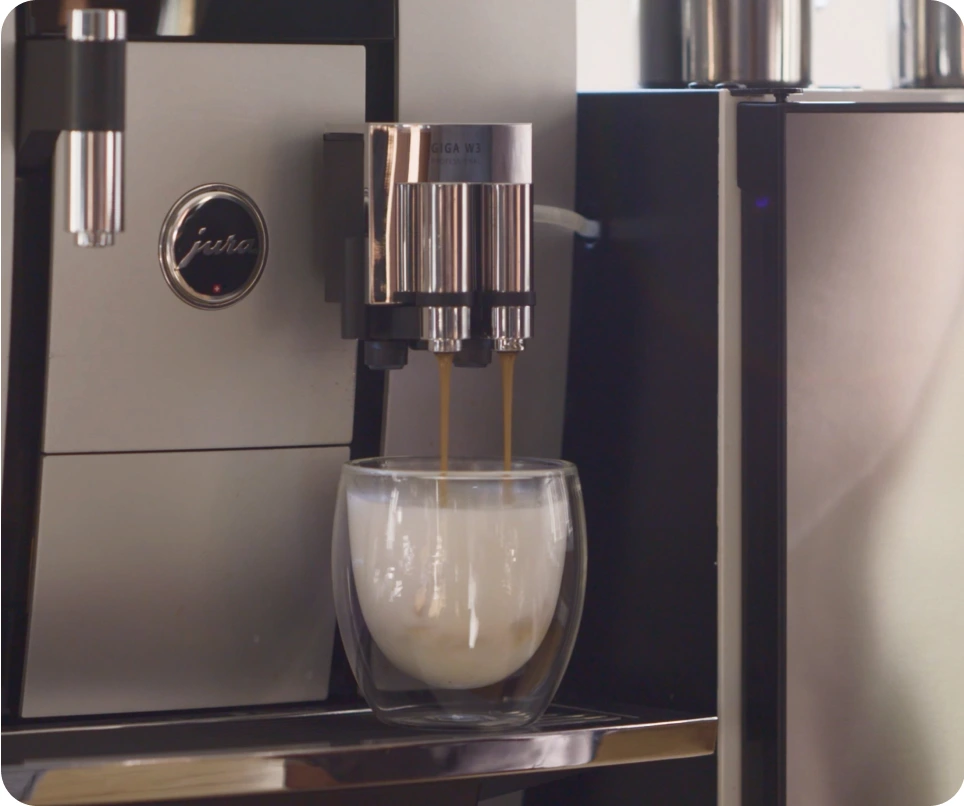
Downtown towers and visitor-facing floors feel River Walk rhythm in lobby traffic and lunch patterns. Corridor HQs see pantry spikes when teams stage before field work and again when month-end decks land. Break Coffee Co. installs whole-bean equipment that grinds per cup and stays on weekly or biweekly service tuned to measured usage. Cup-based billing separates tourism-adjacent spikes from HQ month-end quiet when you label weeks in the trial form.
Preventative maintenance is bundled so facilities are not opening tickets during the same window finance wants honest pours.
Hospitality expectations in a service-forward market
San Antonio’s hospitality-heavy economy means transactional pantry programs read wrong. Hosted coffee, real milk, recurring service, ambassadors who know the floor, reads right. Dial oat and dairy during week one on the wing that actually pilots.
Our proprietary 100% Arabica blend, PNG, Brazil, and Colombia origins, roasted in the United States, replenishes on a rhythm matched to real pours so hospitality expectations do not meet yesterday’s roast on a River Walk-heavy week.
Pilot the footprint that matches your scaling story
If you will scale to corridor HQs, pilot there and label River Walk weeks separately. If downtown is the flagship, say so, do not export corridor cup math to a tower that never sees month-end spikes.
Read the break room readiness quiz for readiness scoring. The two week trial FAQ covers timing and ambassador training. Local field notes frame hospitality expectations employees already carry.
Pair this article with May River Walk tourism and HQ pantry load for tourism-HQ framing, and with River Walk foot traffic and HQ pantry load for foot-traffic measurement, attach peak-day notes when you use the Request a trial form on the San Antonio overview.
Month-end afternoons after lunch tourism fades
I-10 corridor HQs often compress month-end work into late afternoons that spike pantry load after River Walk lunch traffic fades downtown. Label month-end weeks separately from tourism weeks when you email anson.adams@breakcoffeeco.com with trial details.
Moving off single-use pods reduces visible plastic and improves taste, an easy win when sustainability goals publish this year and employees document the break room anyway.
Bilingual workplaces and ambassador training
Floor ambassadors who know freight rules and after-hours access matter more when multiple teams share one pantry. Week two should include at least one labeled peak day and one quieter day so finance sees range, not a single anecdote.
What to send on the trial form
Building type (downtown versus corridor), peak-day notes, dock and security rules, and whether month-end week overlaps the pilot. Use the Request a trial form on the San Antonio overview after you read the two week trial FAQ.
Reach anson.adams@breakcoffeeco.com to schedule a visit; contact habits stay consistent through the overview form so your contact story does not change twice in one season.
Downtown may feel loud while corridor HQs run month-end quiet the same week, finance should not blend those curves. Label downtown versus corridor on the San Antonio overview Request a trial form when both exist in your portfolio.
Field teams staging along I-10 can spike pantries after River Walk lunch patterns fade downtown, share staging windows when you request routing so milk discipline matches afternoon reality, not only morning desk traffic.
Capture week-two pours before summer calendar shifts hospitality expectations again. Whole-bean bars with recurring service keep flavor credible when employees compare office coffee to River Walk hospitality whether leadership likes the comparison or not.
When tourism week and month-end overlap in May, week-two data needs two labels in the same report, cup-based billing stays honest only when finance sees both curves.
Whole-bean bars, cup-based spend, and maintenance before the drip tray becomes lore, that is how San Antonio break rooms stay credible when River Walk weeks and HQ load share one calendar but not one curve.